


Introduction
Leveling in Mists of Pandaria Classic brings fresh challenges and expenses, from repairing gear after tough mobs to training new riding skills and stocking up on consumables. As you move from level 1 to 60, you’ll spend gold on gear upgrades, profession training, Apprentice Riding at level 20, and mount purchases at level 40. Food and potion costs add up fast, especially when you run daily quests or tackle repeat dungeons. When play sessions are limited, deciding between farming gold in‑game or choosing to Buy WoW MoP Classic Gold can make a big difference in your overall experience. A balanced approach helps you maintain progress without getting bogged down in repetitive grinding loops.
Turning real‑money investment into in‑game currency means you cut straight to the upgrades and training you need. Rather than spending nights farming hundreds of gold through low‑yield quests or crowded gathering spots, you convert your time into something more valuable: meeting key gear thresholds and riding skill milestones on schedule. With extra gold in your bag, you focus on content that rewards experience, reputation, or rare recipes—keeping gameplay varied and engaging. Below, we explore the main ways to farm gold, show how much you’ll need at crucial level brackets, and compare the time investment of farming versus the convenience of buying gold. This guide equips you to choose the path that fits your schedule, budget, and enjoyment of WoW MoP Classic.
Farming Gold Methods
In‑game gold farming has its own rewards: it familiarizes you with zones, grants extra materials for crafting, and offers a steady stream of items to sell. Core methods include gathering professions like Herbalism and Mining, where you collect valuable nodes in zones such as Jade Forest and Kun-Lai Summit. On a mid‑population server, a dedicated gatherer can bring in 80–120 gold per hour by selling stacks of Primordial Saronite or Green Tea Leaf on the Auction House. Mob grinding—clearing packs of humanoid enemies in Valley of the Four Winds or Stoneplow—yields raw gold drops plus loot, averaging 100–150 gold per hour depending on group size and efficiency.
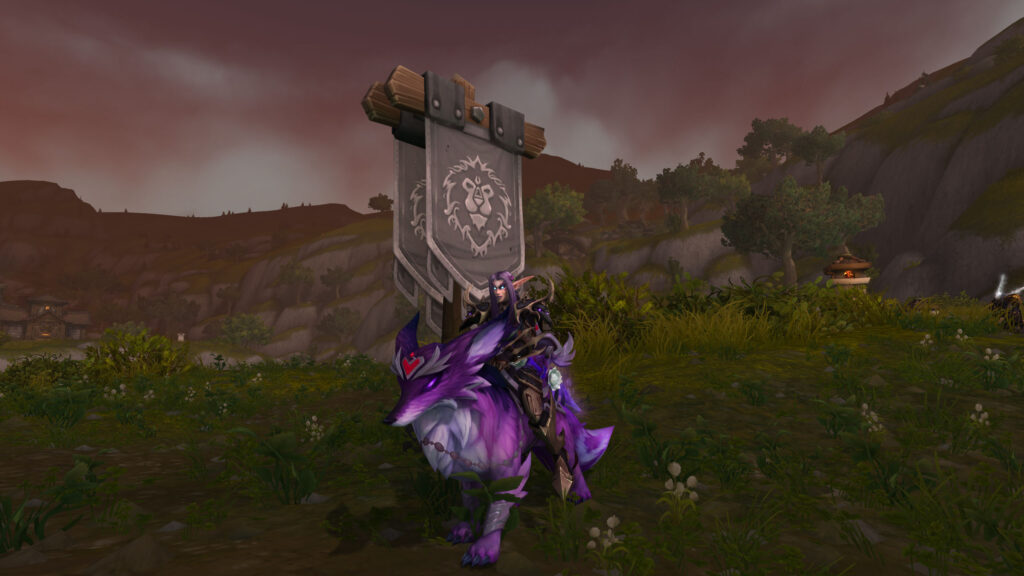
Daily quests provide another steady source. In The Jade Forest, Shado-Pan daily quests reward 50–70 gold each, plus reputation items you can sell. Running all available dailies for 30–45 minutes nets about 150 gold per session. Dungeon runs, such as Stormstout Brewery or Gate of the Setting Sun on random‑heroic, drop gold and vendor‑sell items that add 120–160 gold per hour if you clear efficiently. Each method has trade‑offs: gathering pays well but demands node timers, daily quests require travel and cooldowns, and dungeons depend on group availability. By mixing these activities, you maintain variety while farming a baseline of 100–150 gold per play hour.
Estimate Gold Needs for Leveling
Before deciding whether to farm or buy, set a clear gold target for your leveling journey. Key milestones include Apprentice Riding at level 20 (20 gold for training plus 80 gold for the mount), Journeyman Riding if available on your server, and Expert Riding at level 40 (1,000 gold training plus 1,000 gold mount). Gear upgrades—buying quest rewards or early dungeon‑gear—can cost 200–300 gold per upgrade loop. Consumables such as food and potions typically run 2–3 gold per stack, and you’ll use at least five stacks of each across levels 1–60, totaling around 30–50 gold.
Profession training adds another layer: recipes cost 5–50 gold each as you progress through levels, and material costs vary by profession. Plan for 200–300 gold for full profession leveling. Summing these figures, you arrive at a total need of roughly 2,000–2,500 gold to cover riding, gear, consumables, and professions from 1 to 60. Adding a 10 percent buffer—200–250 gold—gives a final target of around 2,750 gold. With this clear number, you can compare spending 20–30 hours farming at 100 gold per hour versus choosing to Buy WoW MoP Classic Gold to hit your target immediately and stay focused on content rather than farm loops.
Buying Gold: Cost vs Time
When you Buy WoW MoP Classic Gold, you exchange real‑money investment for in‑game currency, cutting through hours of farm loops. On many platforms, a package of 1,000 gold costs between $10 and $15 USD, translating to roughly $1 per 100 gold. To farm 1,000 gold at an average rate of 100 gold per hour, you’d spend ten hours of gameplay grinding nodes, running dailies, or clearing dungeons. For players with limited playtime or those who value new content over repetitive tasks, buying gold offers a direct trade: invest real money once and gain immediate access to mount training, gear upgrades, or consumables.
Beyond pure gold per dollar, consider what that time is worth to you. Ten hours of farm at 100 gold per hour may feel tedious, especially when better rewards await in endgame dungeons or battlegrounds. If your goal is to hit level 60 quickly and move into group content, spending $12–$15 to buy 1,000 gold saves those ten hours for more engaging activities. On the other hand, if you enjoy gathering or dungeon runs as a break from questing, mixing farm and buy may suit your play style. You might decide to farm 500 gold over five hours, then buy the remaining 500 to reach your 1,000‑gold target. This hybrid approach balances time investment with budget, letting you keep some gameplay variety while still cutting down on total grind time.

Finally, assess your budget and priorities. If you plan to upgrade gear and mounts early, buying gold guarantees you hit those milestones without delay. If you prefer spreading purchases out, look for smaller gold bundles or wait for first‑time buyer discounts. Many sellers offer promotional codes or seasonal sales that lower the per‑gold cost by 10–20 percent. Watching for these deals can reduce a 1,000‑gold package from $15 to $12 or less, improving your real‑money value. By comparing gold‑per‑dollar rates, factoring in time saved, and watching for discounts, you make a clear choice: farm, buy, or blend both methods to meet your leveling goals efficiently.
Farm vs. Buy Comparison Table
To illustrate the trade‑off between farming and buying, the table below lays out time investment, gold gained, and real‑money cost for each method. Use these benchmarks to match your schedule and budget to the approach that fits you best.
| Method | Time Needed | Gold Gained | Real‑Money Cost | Best For |
|---|---|---|---|---|
| Herb Gathering | 4 hours per 400 g | 400 gold | $0 | Relaxed play, crafting materials |
| Dungeon Farming | 3 hours per 450 g | 450 gold | $0 | Group content, loot variety |
| Daily Quests | 2 hours per 300 g | 300 gold | $0 | Quick wins, reputation gains |
| AH Flipping | 1 hour per 200 g | 200 gold profit | Variable* | Market savvy, profit chasing |
| Buy 1,000 Gold | Instant delivery | 1,000 gold | $10–$15 | Fast progress, limited play time |
| Hybrid (Farm+Buy) | 5 hours + purchase | 500 g + 500 g | $5–$8 | Balanced time and budget |
*AH Flipping profit depends on market conditions and your profession skills.
This comparison shows that farming methods cost no real money but demand significant playtime. Buying gold offers an instant influx of currency at a fixed price. A hybrid path lets you farm roughly half the needed gold, then buy the rest to meet your target quickly without draining your budget.
Best Farming Spots in Pandaria
Even if you plan to buy some gold, efficient farming spots boost your gold‑per‑hour rate and can cover part of your needs without extra cost. Here are top zones and activities to farm gold in MoP Classic:
- Jade Forest – Green Tea Leaf and Silk
- Green Tea Leaf nodes appear along walks and hilltops; Silk Cloth drops from bandit mobs in the same area. Expect 120–150 gold per hour combining both.
- Kun-Lai Summit – Primordial Saronite and Mote of Harmony
- Mining nodes for Primordial Saronite yield high vendor and AH value. Killing Mantid in the area adds Motes of Harmony, which vendors buy or guilds use.
- Vale of Eternal Blossoms – Golden Lotus and Silken Silk
- Golden Lotus sells well for alchemy flasks, while Silken Silk drops from Quilen and other beasts. Rotating between nodes and mob farming, you can net 140–160 gold per hour.
- Shado-Pan Monastery Dungeon
- Heroic runs drop a mix of crafting materials (Shado-Pan Insignia, Spirit of Harmony) and vendor trash. Group noodle‑rate clears yield 150–180 gold per hour.
- Stormstout Brewery Dungeon
- Quickly clearable with a familiar group, yielding Gray Casks and Exotic Leather. Combined vendor and AH sales bring in roughly 130–150 gold per hour.
By rotating these spots—spending a session in Jade Forest, then switching to a dungeon and back to Kun‑Lai Summit—you avoid burnout and maximize income. When node timers force you to switch, hop to the next zone or queue for a quick dungeon run. Pairing these farms with occasional gold purchases ensures you meet your leveling targets of around 2,750 gold with minimal wasted time.
Combining Farming and Buying
A hybrid approach balances real‑money purchases with in‑game farming to meet your leveling gold target without overextending time or budget. Start by farming a base amount—say, 1,000 gold—through a mix of gathering, dailies, and dungeon runs over a week. This effort also yields crafting materials and reputation gains, providing side benefits. Once you reach this partial goal, calculate the remaining gold needed—around 1,750 if your total is 2,750 gold—and choose to Buy WoW MoP Classic Gold for that remainder.
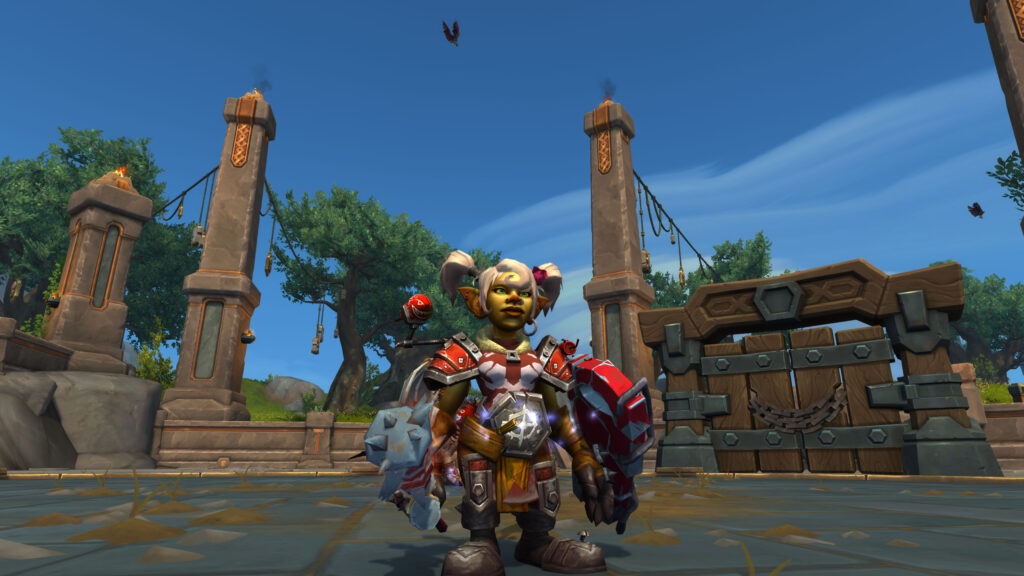
This method saves roughly 10–15 hours of farm time at 100–120 gold per hour, while still letting you enjoy a variety of in‑game activities. It also cushions your budget, since buying only part of the gold reduces your real‑money spend. Adjust the split based on your schedule: if you have more weekend playtime, farm more gold then buy less; if weekdays are busy, farm minimally and purchase a larger share.
Keep track of your progress by logging gold gains against your target. Use a simple spreadsheet or a notepad: record how much you farm each session and how much you buy. When your combined total hits the goal, you stop both farming and buying. Any extra purchased gold beyond your leveling needs can roll into post‑leveling goals—raids, mount funds, or profession materials—so your investment continues to pay dividends. By blending farming and buying, you customize your gold acquisition to your time, budget, and playstyle, ensuring smooth progression without grinding fatigue.
Conclusion
Deciding to Buy WoW MoP Classic Gold for leveling is a personal choice that balances time savings, budget limits, and gameplay enjoyment. By first setting a clear gold target of around 2,750 gold—covering riding skills, gear upgrades, consumables, and profession training—you know exactly what you need. Farming methods like herb gathering, daily quests, and dungeon runs yield steady income plus crafting materials, while smart Auction House tactics such as flipping and timed posting stretch your purchased gold further.
Choosing the right time to buy—before major leveling pushes, during off‑peak hours, or aligned with market cycles—maximizes your real‑money value. A hybrid strategy, where you farm a base amount and buy the remainder, offers a balanced path that saves farm time without overspending. Tracking your progress through simple logs keeps you on target and prevents over‑buying.
Whether you farm, buy, or blend both approaches, the goal remains the same: keep your leveling sessions engaging, efficient, and focused on content rather than repetitive grind loops. With purchased gold filling your vault for mounts and training and farmed gold covering part of the ride, you move through Mists of Pandaria Classic with confidence, ready to tackle dungeons, quests, and raids with minimal downtime and maximum fun.