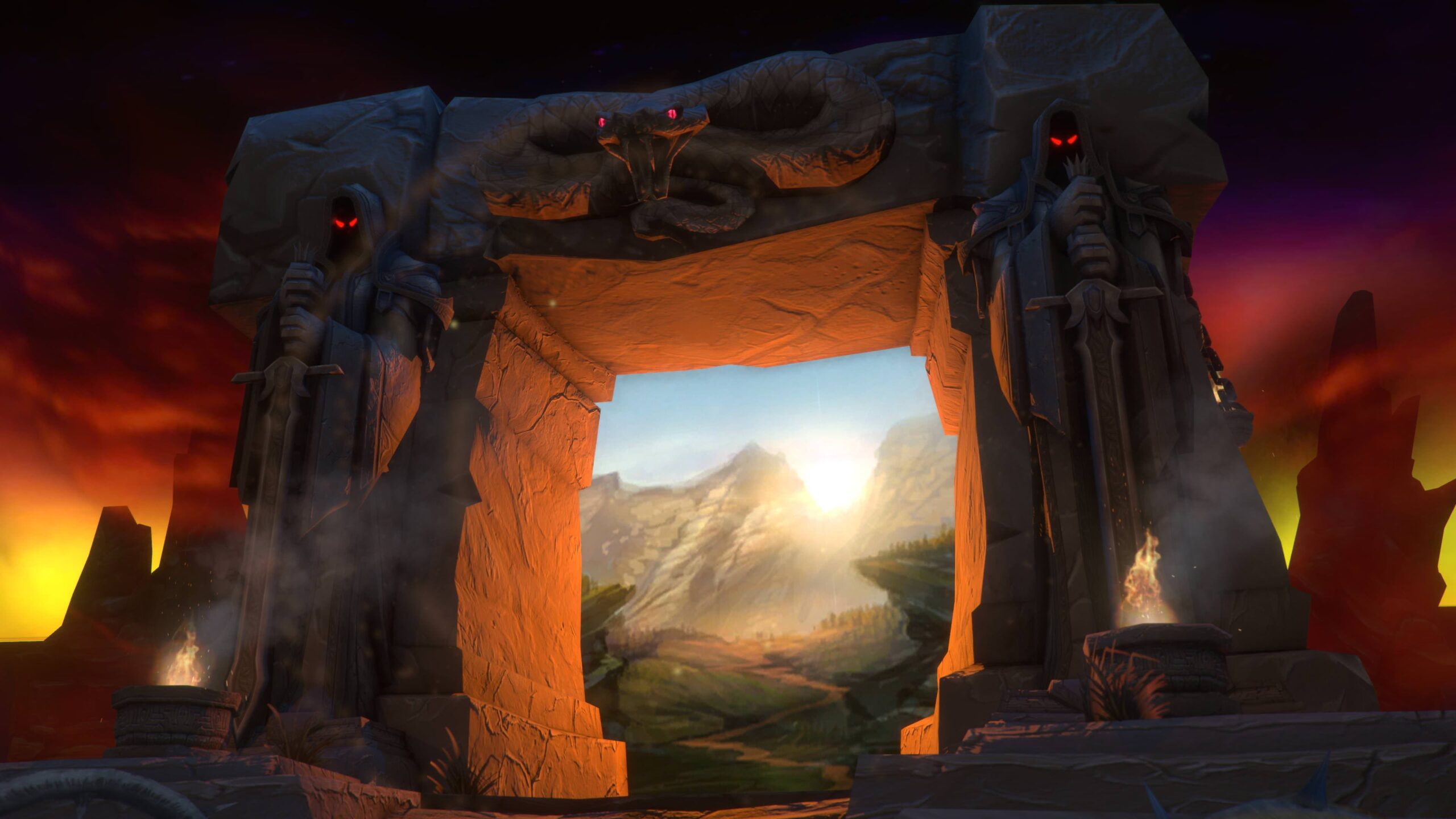

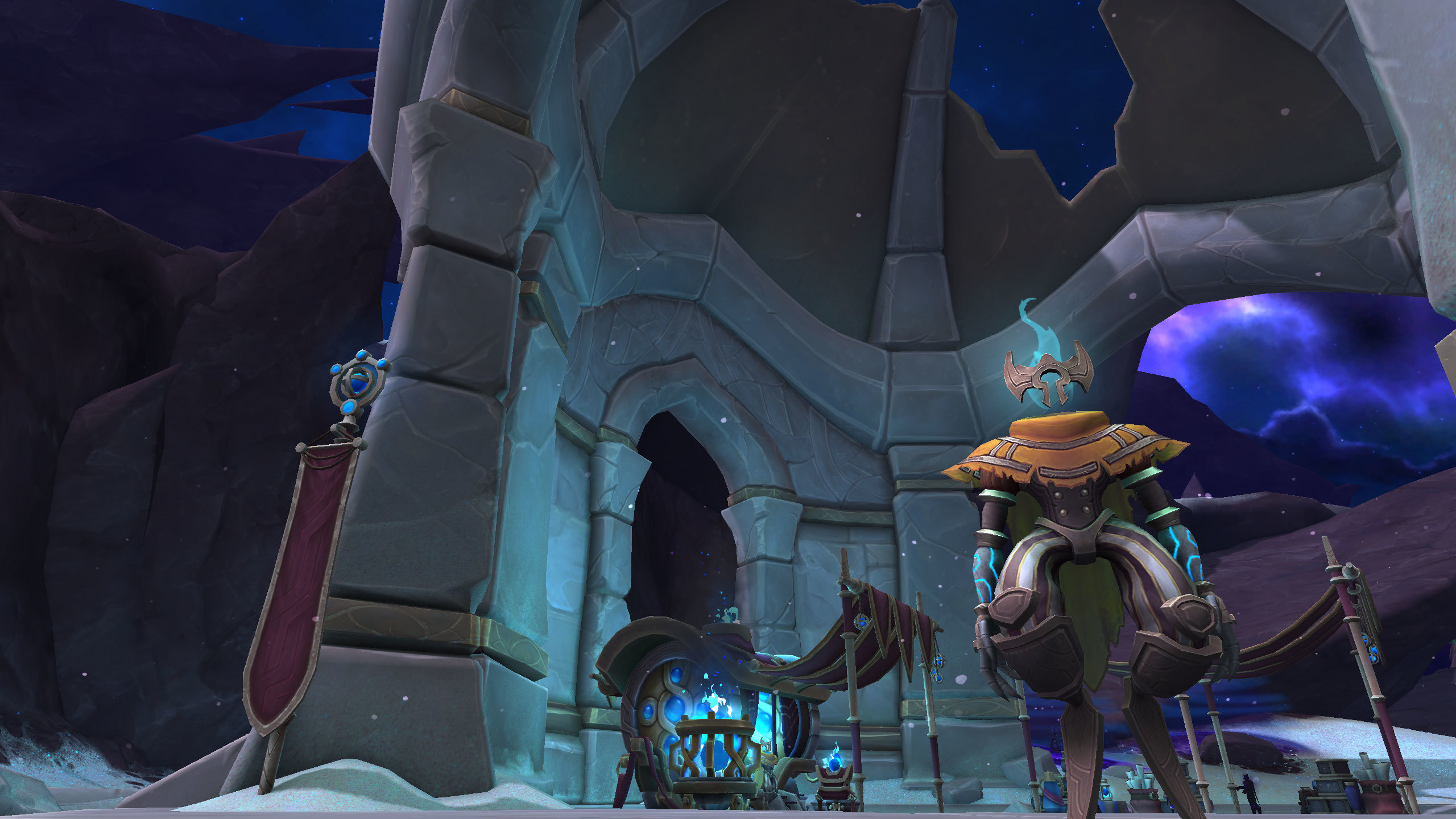
Across the history of Azeroth’s greatest conflicts, raid encounters have acted as crucibles where teamwork, precision, and collective resolve were forged. Each expansion introduced confrontations that pushed raiders to rethink their strategies, communication, and ability to adapt under pressure. These encounters were more than tests of power—they reshaped how groups approached combat itself, setting new standards for coordination that echoed through every raid that followed.
This article explores the legendary battles that changed raid culture, examining how specific mechanics, roles, and environmental challenges elevated coordinated gameplay into a defining feature of endgame progression.
Boss Designs That Forced Teams to Think as One
From early multi-phase duels to sprawling arena battles, each groundbreaking encounter introduced mechanics that required more than individual skill. Movement patterns had to synchronize, defensive cooldowns needed sequencing, and damage windows demanded timed unity. Some bosses scattered players across multiple zones, while others trapped them together in confined spaces where positioning could mean survival or instant defeat. These designs forced raiders to evolve from loosely organized groups into cohesive units capable of executing precise actions under immense pressure.
As expansions progressed, these innovations shaped a new raid identity: one where the strength of the group outweighed the performance of any single hero.
The Rise of Role Interdependence
What once were simple combat roles—tank, healer, damage dealer—grew into intricate layers of responsibility. Tanks juggled threat and movement while coordinating taunts and debuffs. Healers navigated escalating damage patterns, anticipating bursts that required perfect cooldown alignment. Damage dealers balanced output with strategic utility, disrupting mechanics that could wipe the group in seconds. Each role became intertwined with the others, forming a web of dependencies where miscommunication or mistimed actions could unravel even the strongest attempt.
This interdependence transformed raid encounters into collaborative puzzles, each piece critical for achieving victory.
Table: Encounters That Reshaped Coordination
The following examples represent milestone bosses that elevated group coordination across expansions:
| Encounter | Expansion | Coordinative Breakthrough |
|---|---|---|
| Ragnaros, Firelands | Cataclysm | Multi-phase transitions requiring precise movement and add control |
| Garrosh Hellscream | Mists of Pandaria | Inter-realm mechanics demanding synchronized handling of empowered abilities |
| Mythic Archimonde | Warlords of Draenor | Layered dimensional mechanics pushing high-pressure coordination |
| Queen Azshara | Battle for Azeroth | Energy and position management shared across the entire raid |
| Tindral Sageswift | Dragonflight | High-speed movement phases requiring faultless alignment and execution |
Each of these bosses introduced ideas that shaped future raid encounters, adding depth, rhythm, and teamwork to the art of boss progression.
Environmental Threats as Catalysts for Team Evolution
Raid arenas became characters in their own right—shifting floors, collapsing bridges, expanding void zones, and multi-layered arenas that changed shape throughout the fight. These environmental threats demanded quick calls, swift repositioning, and unified movement patterns. One wrong step could fragment the group or trigger chain failures that doomed the attempt. Over time, raiders learned to read the battlefield as closely as they studied boss abilities, developing spatial awareness as a core raiding skill.
These evolving environments elevated encounter design into something dynamic and immersive, compelling teams to adapt on instinct and trust one another completely.
The Unseen Role of Leadership and Communication
Behind every successful kill lies a web of communication—calls for cooldowns, warnings for incoming mechanics, and calm leadership during high-stress moments. Raid leaders became navigators guiding their teams through complex phases, orchestrating movements and responses with clarity. Voice chat evolved into a strategic instrument where information flowed rapidly and precisely, giving structure to chaos and ensuring that every player acted with purpose.
This communication backbone became essential for defeating modern bosses, whose complexity demanded unified intent and shared understanding.
Heroes Forged Through Collective Mastery
Raid progression is a journey shaped not by the success of individuals but by the perseverance of the group. Wipes teach more than victories—each failure offers insight into positioning, reaction speed, and teamwork. As groups refine their strategies, the raid begins to move like a single organism: interrupts flow without overlapping, movement patterns align instinctively, and defensive cooldowns unfold in seamless waves of protection.
This process transforms raiders into veterans, shaping heroes who understand that mastery arises from collaboration, resilience, and shared determination.
Why These Encounters Still Matter Today
The encounters that redefined coordination continue to influence how raids are designed, how leaders plan strategies, and how players approach teamwork. Their legacy endures in every modern boss that demands synchronized movement, split assignments, or multi-phase execution. By challenging players to rise beyond individual performance, these encounters shaped the culture of raiding as a pursuit where discipline, unity, and mutual trust define the path to victory.
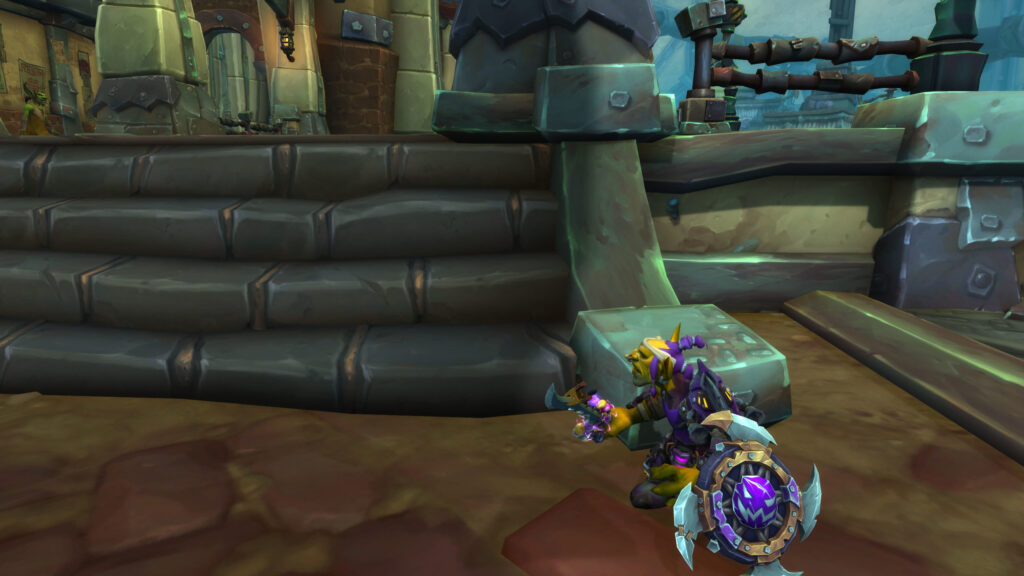
They remain cornerstones of progression history—landmarks that remind players of the power of a group moving as one.
Conclusion
From the earliest raid tiers to the latest confrontations in The War Within, certain encounters have forever changed the landscape of group coordination. Their mechanics, environments, and pacing elevated raiding into a discipline of collective mastery. Heroes who faced these challenges learned that success demands more than strength—it requires harmony, foresight, and unity in the face of overwhelming odds.
These encounters stand as testament to what raiding has become: a journey not walked alone, but forged together through precision, perseverance, and the shared triumph of overcoming the impossible.